Homeowner service scope
Chimney Cap Installation and Replacement
A cap can help exclude precipitation, debris and animals while allowing exhaust to escape. Size, material, attachment and compatibility with the flue or factory-built system matter.
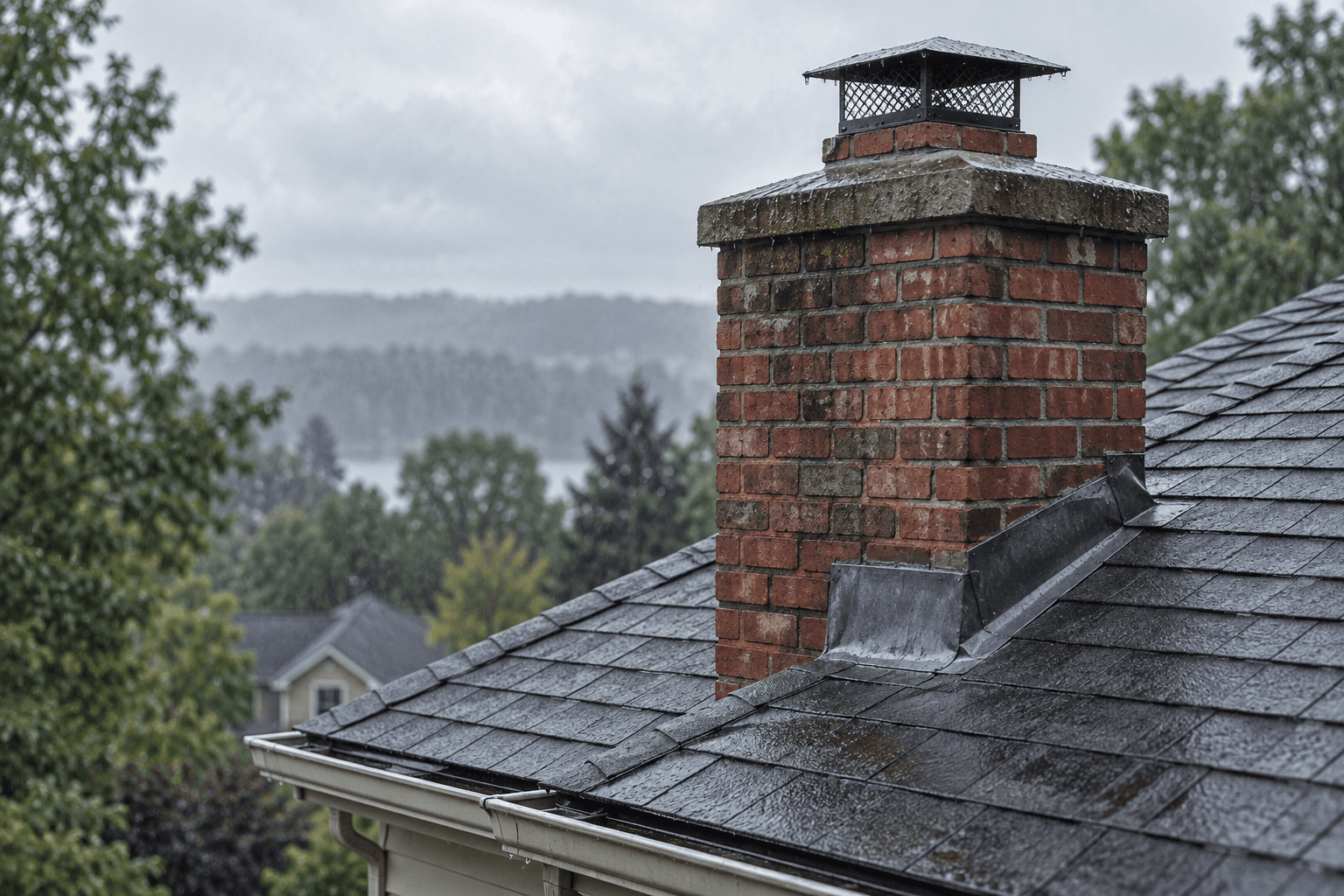
When it may be relevant
Reasons to discuss this service
- The cap is missing, loose, corroded or storm-damaged.
- Animal or debris entry has occurred.
- Water enters through an open flue termination.
- A multi-flue chimney needs a correctly designed cover.
These are conversation starters, not a remote diagnosis. The same observation may support a different service once the appliance, venting system and site conditions are examined.
Written scope
What a clear proposal should address
- 1
Identify the flue, termination and appliance system.
- 2
Measure the mounting area and required clearances.
- 3
Select a compatible listed or fabricated component as appropriate.
- 4
Install without obstructing exhaust or damaging the crown or chase cover.
Before hiring
Questions for the chimney professional
- How was the size and material selected?
- Is this component compatible with my system?
- How is it attached and serviced later?
- Will the crown or chase cover also be assessed?
Also verify current insurance, applicable licensing or registration, relevant training, permits and warranty terms directly. A directory profile is not verification.
A cap cannot fix failed flashing, cracked masonry, a damaged crown or condensation inside the venting system.
For an active fire, carbon-monoxide alarm, rapidly filling smoke or immediate danger, leave the building and contact emergency services.