Homeowner service scope
Level 3 Chimney Inspection
A Level 3 inspection can involve removal of building components to reach concealed areas. It should follow evidence that a significant hazard may exist and that a less invasive inspection cannot answer the question.
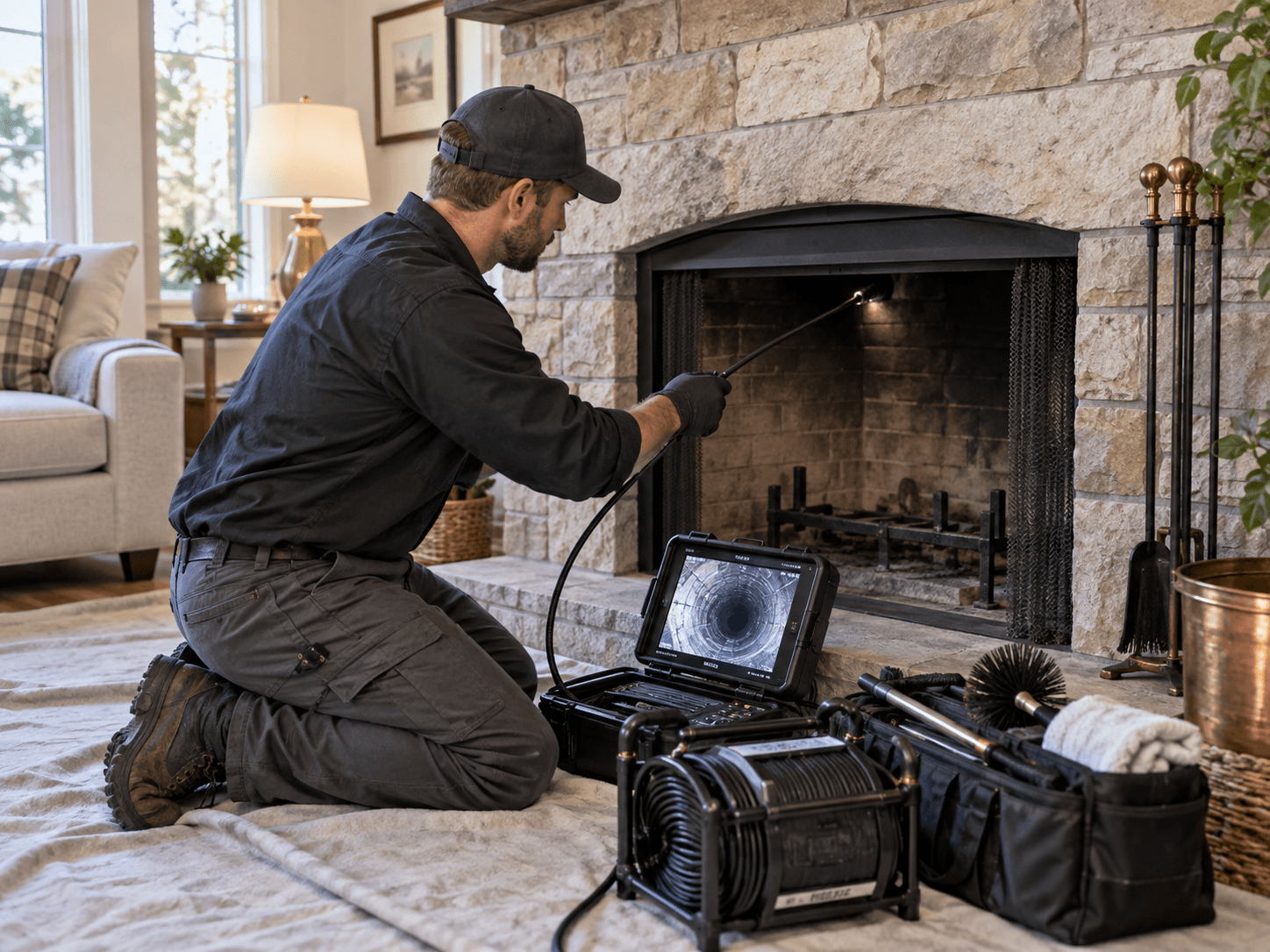
When it may be relevant
Reasons to discuss this service
- A serious hidden hazard remains after less invasive assessment.
- Known fire or structural damage may extend into concealed construction.
- The necessary area cannot be evaluated by Level 1 or Level 2 access.
- The potential consequence justifies destructive investigation.
These are conversation starters, not a remote diagnosis. The same observation may support a different service once the appliance, venting system and site conditions are examined.
Written scope
What a clear proposal should address
- 1
Document the evidence supporting invasive access.
- 2
Define exactly what finishes or components may be removed.
- 3
Coordinate repair and restoration responsibility before opening work.
- 4
Record concealed conditions and the basis for next steps.
Before hiring
Questions for the chimney professional
- What evidence supports opening this area?
- What alternatives were considered?
- Who restores removed finishes?
- Are permits or another specialist required?
Also verify current insurance, applicable licensing or registration, relevant training, permits and warranty terms directly. A directory profile is not verification.
It is not a routine upsell. Obtain a clear written rationale, access plan and restoration scope before authorizing destructive work.
For an active fire, carbon-monoxide alarm, rapidly filling smoke or immediate danger, leave the building and contact emergency services.